
Explore natural approaches to lifestyle, nutrition, and holistic health through educational insights
Holistic self-care represents an integrated approach to personal wellness that acknowledges the interconnectedness of physical nutrition, physical activity, and mental well-being. Rather than viewing these elements in isolation, a comprehensive understanding recognizes how dietary choices influence energy levels, how movement impacts both physical and mental health, and how mindful practices contribute to overall balance.
This educational resource explores the fundamental principles underlying natural lifestyle approaches, examining how various dietary practices, physical activities, and wellness techniques interact to support sustained vitality and personal equilibrium.
Key interconnections:
• Nutrition provides essential resources for cellular function and sustained energy
• Physical activity enhances metabolic processes and emotional well-being
• Mental wellness practices influence physiological responses and decision-making
• Sleep quality affects nutrient absorption and cognitive function
• Environmental factors shape our capacity for maintaining balance
Understanding the fundamental food groups and their role in a balanced diet
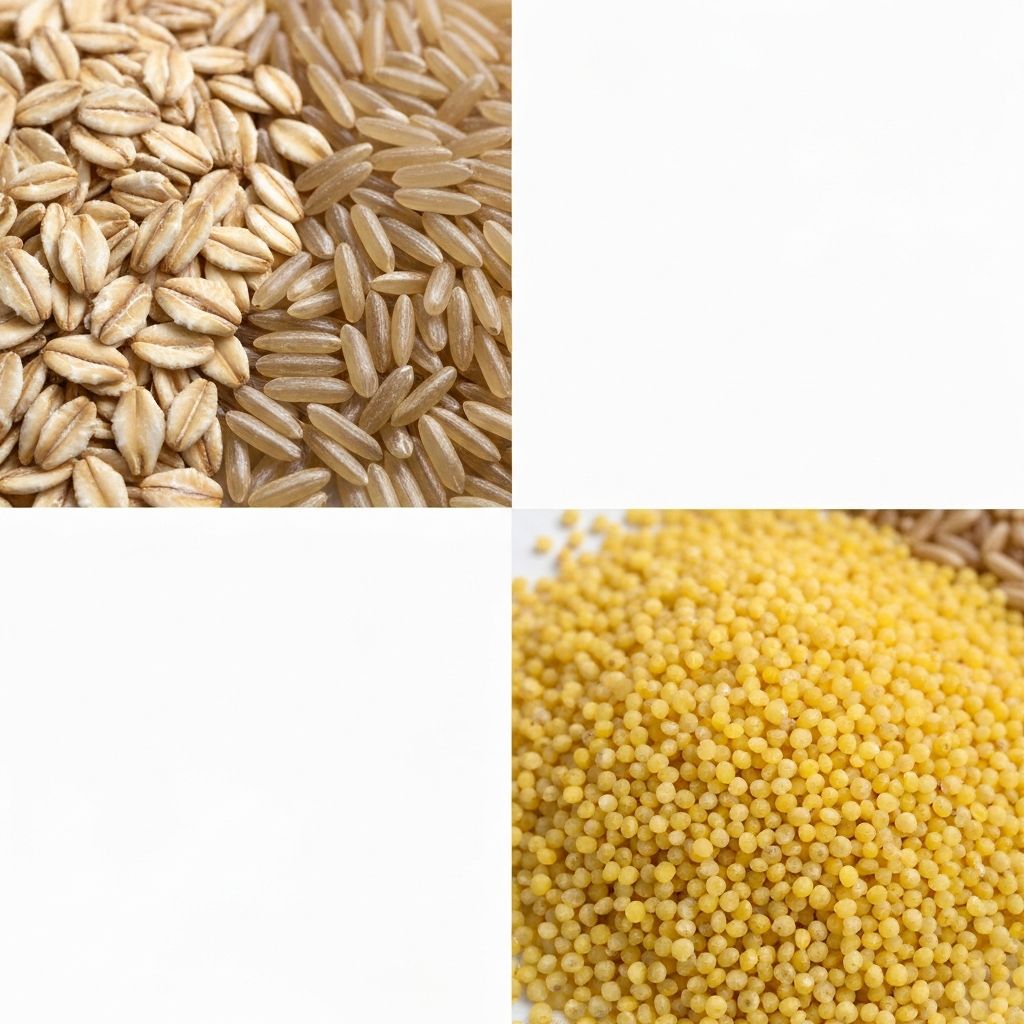
Whole grains contain the complete grain kernel, providing fiber, B vitamins, and minerals essential for sustained energy release and digestive health. Foods like oats, brown rice, and quinoa offer complex carbohydrates that support metabolic function.

Vegetables and fruits provide vitamins, minerals, and phytonutrients crucial for immune function and cellular health. Their diverse colors indicate different beneficial compounds. Regular consumption supports antioxidant capacity and overall nutritional completeness.
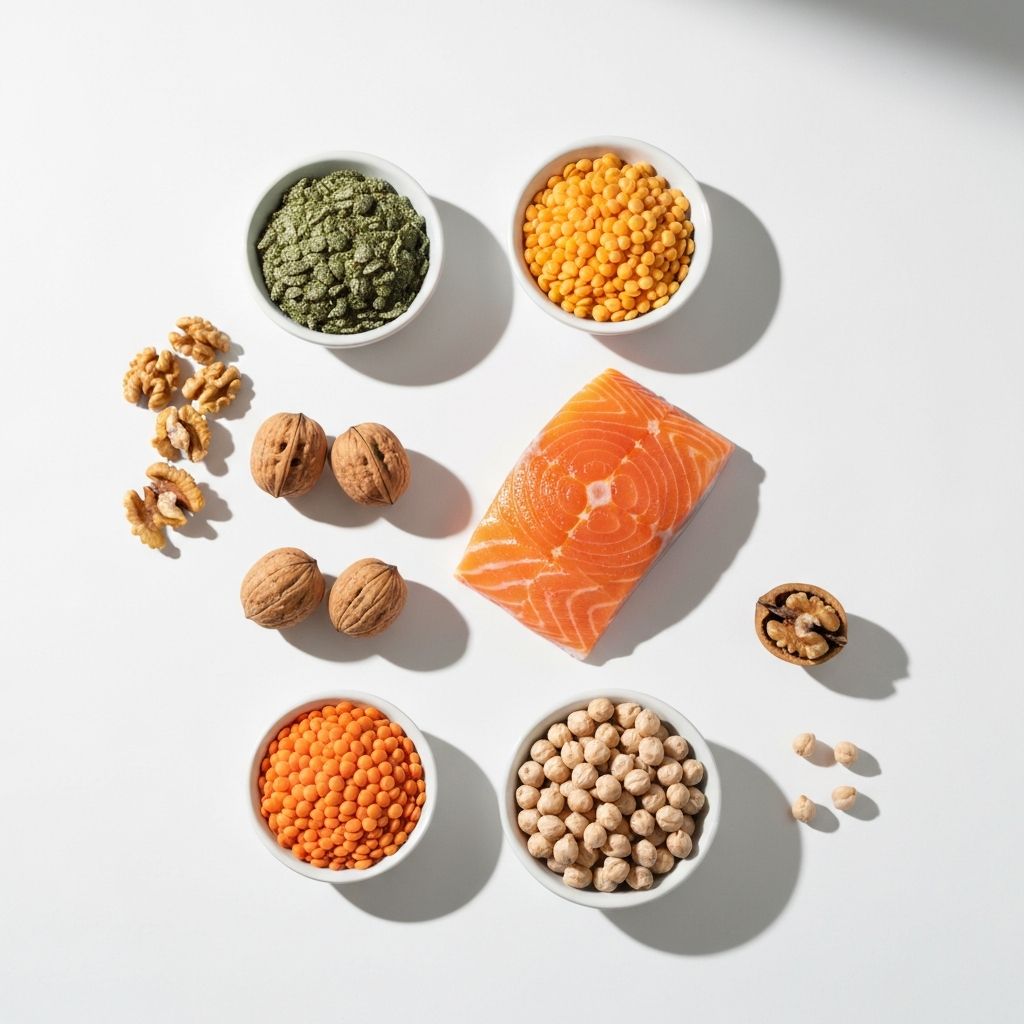
Protein sources including fish, poultry, legumes, and nuts provide amino acids necessary for muscle maintenance, enzyme production, and tissue repair. Varied protein sources ensure a complete amino acid profile supporting bodily functions.

Physical activity plays a fundamental role in maintaining metabolic health, supporting cardiovascular function, and enhancing mood through the release of endorphins. Regular movement helps maintain muscle mass, supports bone density, and promotes flexibility.
Physical activity supports:
• Cardiovascular efficiency and circulation
• Muscle maintenance and metabolic rate
• Mental clarity and emotional balance
• Sleep quality and natural energy cycles
• Joint mobility and functional capacity
Light activities such as walking, stretching, and gentle movement integrated into daily routines contribute to sustained wellness and energy levels throughout the day.
Cultivating Inner Balance Through Awareness Practices
Regular meditation practice supports mental clarity, reduces stress responses, and cultivates awareness of present-moment experience. Even brief daily practice contributes to emotional regulation and cognitive function.
Conscious breathing patterns activate the parasympathetic nervous system, supporting relaxation and physiological balance. Breathing practices can be integrated into daily routines for sustained stress management.
Adequate sleep duration and quality support cellular restoration, memory consolidation, and immune function. Consistent sleep schedules and appropriate sleep environments enhance sleep quality and daytime vitality.
Conscious eating practices—paying attention to flavors, textures, and satiety signals—support digestion, portion awareness, and nutritional satisfaction without external restrictions.
Water serves as a fundamental medium for virtually all physiological processes. Adequate hydration supports nutrient transport, temperature regulation, joint lubrication, and cognitive function. Daily water requirements vary based on activity level, climate, and individual physiology.
| Situation | General Guidelines | Purpose |
|---|---|---|
| Sedentary Daily Activities | 6-8 glasses (1.5-2 liters) | Basic cellular function and metabolism |
| Moderate Physical Activity | 8-10 glasses (2-2.5 liters) | Compensate for fluid loss during movement |
| Intense Exercise | 10+ glasses (2.5+ liters) | Replace significant fluid loss and support recovery |
| Warm/Hot Climate | Increase intake proportionally | Account for increased perspiration |
Key Hydration Principles: Individual water needs vary significantly based on metabolism, activity, diet, and environment. Thirst signals and urine color serve as practical indicators of hydration status. Consistent hydration throughout the day supports optimal physiological function.
Exploring beneficial compounds found in nature
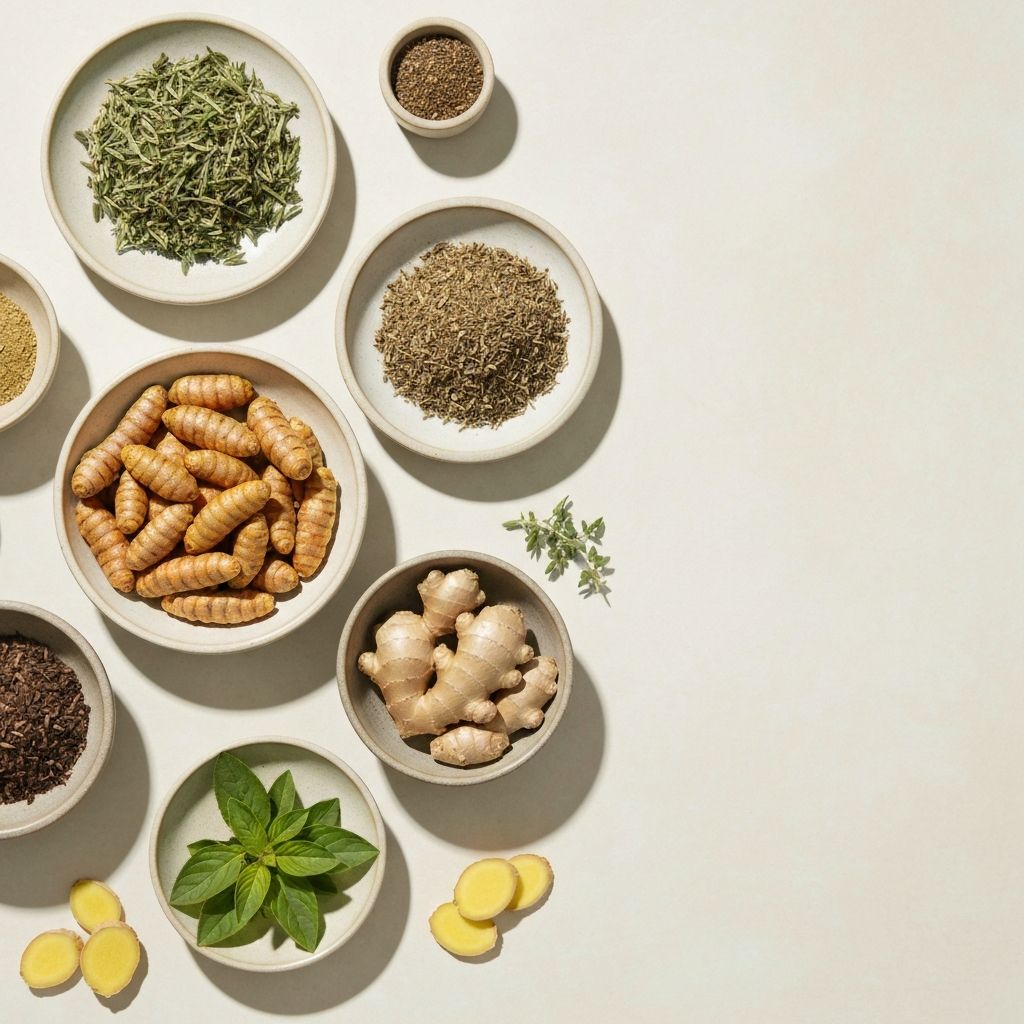
Contains curcumin, traditionally used in various cultures. Often incorporated into cooking and traditional preparations for centuries. Research explores its role in supporting general wellness.
A versatile root used historically in many culinary traditions. Often used in teas, cooking, and traditional preparations. Supports digestive comfort and is valued in wellness practices.
A nutrient-dense microalgae containing protein, vitamins, and minerals. Often considered a nutritional supplement due to its concentrated nutrient profile.
Seasonal eating represents an approach to nutrition that emphasizes foods at their peak freshness and nutritional value during their natural harvest period. This practice aligns dietary choices with natural agricultural cycles and regional availability.
Historical and cultural traditions across the globe reflect deep knowledge of seasonal eating patterns, suggesting that this approach supports both nutritional completeness and environmental sustainability.
• Peak nutritional density in seasonally harvested foods
• Greater flavor complexity and variety throughout the year
• Reduced environmental impact from transportation
• Engagement with local agricultural practices
• Natural dietary variety supporting diverse nutrient intake
• Economic accessibility through abundant local supply
Simple Nutritional Ideas and Balanced Food Combinations
Whole grain toast + nut butter + sliced fresh fruits + herbal tea. This combination provides sustained energy through complex carbohydrates, healthy fats, and natural sugars, supporting focus and vitality throughout the morning.
Mixed greens + colorful vegetables + lean protein + whole grain + healthy oil-based dressing. Combines various food groups in a single meal, supporting comprehensive nutrient intake and sustained satisfaction.
Cooked whole grain base + roasted vegetables + legume protein + fresh herbs. Offers flexibility for seasonal adjustments while maintaining nutritional balance and supporting satisfied digestion.
Brewed herbal tea + natural sweetener option + fresh herbs/spices. Supports hydration while incorporating traditionally-valued ingredients known for calming properties without adding significant calories.

Luminix exists as an informational resource designed to explain concepts, describe natural approaches to wellness, and provide educational context regarding nutrition, physical activity, and holistic practices.
All information presented here is educational in nature, intended to expand understanding rather than provide personalized recommendations. Individual health decisions should always reflect personal circumstances, professional guidance where appropriate, and individual health assessments.
Learn More About LuminixDeepen your understanding of natural lifestyle approaches and wellness principles
Access our comprehensive collection of informational materials on nutrition, movement, mindfulness, and natural wellness approaches.
View ResourcesUnderstand Luminix's mission, approach to health information, and commitment to educational transparency without commercial influence.
Learn MoreEducational content only. No promises of outcomes. All information on this resource is provided for educational purposes to expand understanding of natural lifestyle approaches and wellness concepts. This is not medical advice, not a substitute for professional medical consultation, and does not replace individualized healthcare recommendations from qualified practitioners.